
So I was thinking about how folks dip their toes into DeFi on Solana and what really makes or breaks the experience. Yield farming sounds like a gold rush, right? But it’s not just about chasing the highest APYs. There’s a delicate dance between picking the right validators, keeping tabs on your portfolio, and making sure your wallet tool actually plays nice with the ecosystem. Wow! Sounds complicated, but it’s actually pretty fascinating once you peel back the layers.
Initially, I thought yield farming was just a game of numbers and luck, but then I realized there’s a whole infrastructure layer that often gets overlooked. Your choice of validator directly impacts staking rewards and network security, which in turn affects your farming profits. Hmm… that connection made me rethink how I manage my crypto assets on Solana.
Honestly, it’s kind of like gardening. You can scatter seeds anywhere, but if the soil’s not right or the sun’s missing, your crops won’t flourish no matter how much water you pour. Same with crypto: good tools and decisions matter. Here’s the thing—if you’re serious about maximizing returns, you gotta think beyond just the shiny APY numbers.
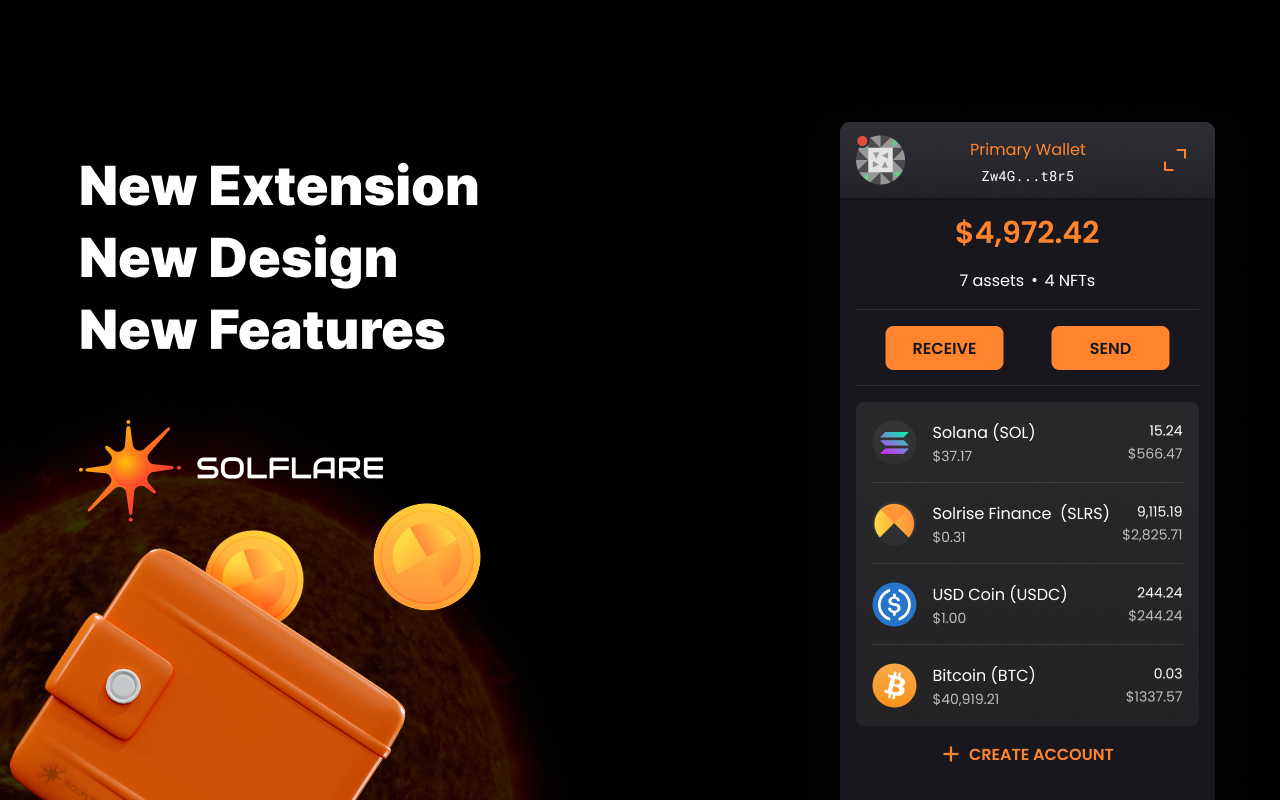
One thing that bugs me is how many people use wallets that don’t fully support Solana’s staking nuances. I remember fumbling around until I found an extension that just clicks with the network, making validator selection and yield tracking way more straightforward. The solflare extension is a prime example. It’s not flashy, but it works in a way that feels very natural once you get the hang of it.
Really? Yeah, because without the right wallet, you might miss out on rewards or worse, mess up your delegation. And delegation is no joke—choosing the wrong validator might cost you much more than a few percentage points in yield.
Yield Farming: More Than Just Chasing High APYs
Yield farming on Solana can feel like a rollercoaster—one day you’re up, the next day you’re scratching your head wondering if you made the right call. The first rule I learned (the hard way) is: don’t just chase the highest yield. It’s tempting, especially when some pools brag about triple-digit returns. But often, those come with hidden risks or unsustainable incentives.
My instinct said, “Stay cautious,” because if a pool’s APY looks too good to be true, it probably is. That said, yield farming is a powerful tool if you balance risk and reward carefully. On one hand, you want to compound gains; on the other, you don’t want to get locked into something that tanks when the market shifts.
What I’ve found helpful is tracking your portfolio actively. Not just glancing at your wallet balance once a week, but having a clear picture of where your assets are, which pools are performing, and how your staking rewards stack up. The solflare extension helps here, streamlining the tracking without overwhelming you.
Okay, so check this out—some yield farms distribute rewards in tokens that can be volatile or tricky to sell. If you’re not watching your portfolio, you might think you’re making bank, but in reality, your gains could be evaporating in real-time.
And by the way, tracking isn’t just about numbers. It’s also about knowing when to pull out or redeploy your crypto elsewhere. I’ve been caught holding onto a pool too long just because I was lazy to check my dashboard.
Validator Selection: The Unsung Hero of Staking
Who knew picking a validator could feel like choosing a teammate in a high-stakes game? Initially, I didn’t pay much attention—delegated to whoever seemed popular. But then I noticed my staking rewards were a bit off compared to others. Something felt off about my validator’s performance.
Digging deeper, I learned that validators differ in uptime, commission fees, and even community reputation. Some validators are super reliable but charge higher fees; others are cheaper but have spotty performance records. It’s a tradeoff, and your choice directly impacts your yield.
Here’s a little trick: always check validator stats on trusted explorers, but don’t just go by numbers. Community trust and transparency matter, too. Validators who engage openly with their delegators tend to be more accountable. Actually, wait—let me rephrase that: numbers show past performance, but community feedback gives you a pulse on future reliability.
On one hand, low commission looks great on paper; though actually, if the validator’s node goes down frequently, you might lose a chunk of your rewards or even face slashing. So yeah, it’s tempting to go cheap but sometimes paying a bit more gives you peace of mind and steadier returns.
And if you’re using a wallet like the solflare extension, selecting and switching validators is less of a headache. It integrates staking functions elegantly, which is a godsend compared to juggling browser tabs and messy spreadsheets.
The Art of Portfolio Tracking in a Fast-Paced Ecosystem
Tracking your Solana assets feels like trying to follow a squirrel on espresso sometimes—prices swing, new tokens pop up, and DeFi protocols evolve overnight. Wow! It’s no joke staying on top of everything.
What bugs me about many portfolio trackers is that they either oversimplify or drown you in data. The sweet spot is a tool that shows you meaningful info without clutter. For example, knowing your total value locked, current staking rewards, and available liquidity all in one place.
One time, I missed a deadline to unstake because I wasn’t watching my portfolio closely. Ended up losing a few days of compounding rewards. Not fun. That’s why I now rely on tools integrated into wallets like the solflare extension, which notify you timely and keep everything under one roof.
Here’s the kicker—portfolio tracking isn’t just about numbers and charts, but also about behavior. If you know where your assets are and how they’re performing, you’re more likely to make proactive decisions instead of reactive ones.
By the way, if you haven’t tried the solflare extension yet, it’s worth a look. It’s the kind of tool that feels like it was built by folks who actually use Solana daily, not just code monkeys churning out features.
Wrapping It Up—or Not Quite
So yeah, yield farming, validator choice, and portfolio tracking might seem like separate puzzles, but they’re really pieces of the same picture. The better you get at one, the more it feeds into the others. I mean, you can’t expect to farm yields effectively if your validator’s shaky or your portfolio info is buried somewhere.
Initially, I was overwhelmed by all this. But after some trial and error (and a few headaches), I realized that having the right tools and mindset simplifies things dramatically. The solflare extension, in particular, feels like a trusted sidekick rather than just a wallet.
Honestly, I’m not 100% sure where this DeFi ride will take us next, but I do know that staying informed and using tools that respect the ecosystem’s nuances is key. If you’re already farming or staking on Solana, maybe take a closer look at how you pick validators and track your portfolio—you might find some surprises.
And hey, sometimes the best gains come from not just chasing yields but from understanding the system deeply. It’s kind of like investing in a good pair of boots before hiking—you don’t notice them until you don’t have them.
Leave a Reply